The Battle for Semiconductor Dominance in the U.S. (2026 Outlook)
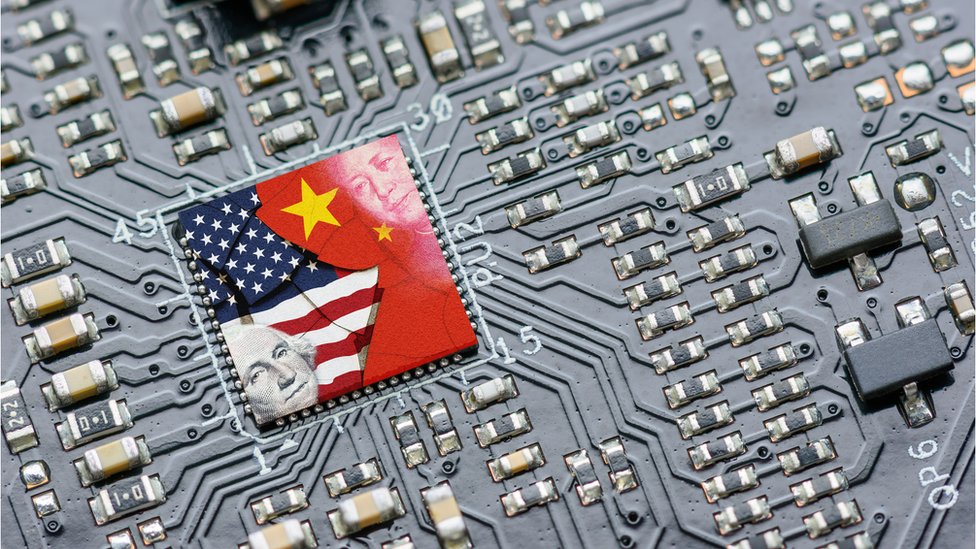
The semiconductor industry is at the heart of the 21st-century economy. In 2026, the United States is engaged in a high-stakes race to maintain and expand its global semiconductor leadership, driven by AI, cloud computing, 5G, EVs, defense, and emerging technologies. This battle is not just economic—it is strategic, technological, and geopolitical.
This article explores the dynamics, investments, technologies, and strategies defining semiconductor dominance in the U.S.
1. Why Semiconductors Matter
Semiconductors are the engines of modern technology:
- Artificial Intelligence & Cloud Computing: GPUs, TPUs, and AI accelerators power machine learning models.
- Consumer Electronics: Smartphones, laptops, and wearables rely on advanced chips.
- Automotive & EVs: Electric vehicles use semiconductors for power management, sensors, and AI-based driving.
- Defense & National Security: Advanced chips are critical for secure communications, satellites, and military systems.
Implication: Leadership in semiconductors is essential for economic growth, innovation, and strategic security.
2. U.S. vs Global Competitors
- Taiwan & South Korea: Taiwan Semiconductor Manufacturing Company (TSMC) and Samsung dominate cutting-edge fabrication at 3nm and below.
- China: Rapid domestic development of semiconductor manufacturing and AI chips.
- Europe: Focused on automotive chips and specialty semiconductors.
U.S. Strategy: Compete through innovation, design leadership, and reshoring advanced manufacturing.
3. The CHIPS Act and Federal Support
The 2022 CHIPS and Science Act provides:
- $52 Billion in Incentives: For domestic semiconductor manufacturing and R&D.
- Tax Credits: For advanced chip production.
- Strategic Investment: Funding for workforce development, materials, and supply chain security.
Implication: Federal support strengthens U.S. capabilities and attracts private investment in domestic fabrication.
4. Leading U.S. Semiconductor Companies
a. Intel
- Focused on cutting-edge fabrication and AI chips.
- Investing in “foundry-as-a-service” to manufacture for external clients.
b. NVIDIA
- Designs GPUs and AI accelerators powering AI, gaming, and data centers.
- Expanding chip design and software ecosystems.
c. AMD
- Competes in CPUs, GPUs, and AI accelerators for enterprise and consumer markets.
d. Qualcomm
- Dominates mobile processors and 5G chips.
- Expanding into automotive and AI edge devices.
e. Emerging Startups
- Focused on AI accelerators, photonics, and energy-efficient semiconductors.
Observation: The U.S. remains a leader in chip design, AI integration, and innovation, even if fabrication is globally distributed.
5. Technological Frontiers
a. AI-Optimized Chips
- GPUs, TPUs, and specialized ASICs accelerate AI workloads.
- AI chips improve performance for large language models, generative AI, and data centers.
b. Advanced Lithography & Fabrication
- Extreme Ultraviolet (EUV) lithography enables 3nm and below process nodes.
- U.S. fabs are investing in domestic EUV capacity to reduce reliance on East Asia.
c. Semiconductor Materials & Innovation
- Gallium nitride (GaN) and silicon carbide (SiC) improve power efficiency for EVs and industrial applications.
- Research in quantum computing and photonics chips positions the U.S. for next-generation computing.
d. Supply Chain Digitization
- AI-driven supply chain optimization for materials, wafers, and fabrication scheduling.
- Risk management for rare earth elements and critical materials.
6. The Reshoring Movement
The U.S. is bringing semiconductor manufacturing back home:
- New fabs are under construction in Arizona, Texas, and New York.
- Collaboration with private companies accelerates technology transfer.
- Workforce programs train engineers and technicians for advanced manufacturing.
Implication: Reshoring improves supply chain resilience and reduces dependency on foreign suppliers.
7. AI & Semiconductor Synergy
AI is both a driver and consumer of semiconductor innovation:
- AI workloads demand high-performance chips, creating a feedback loop for R&D.
- AI-assisted design reduces chip development time, optimizing performance and power consumption.
- Startups and established companies use AI for wafer defect detection, yield optimization, and predictive maintenance.
Observation: AI adoption accelerates semiconductor innovation and efficiency.
8. Global Competition & Geopolitics
- China: Heavy investment in domestic fabs and AI chips; U.S. export restrictions shape supply.
- Taiwan & South Korea: Leaders in advanced node manufacturing; U.S. seeks partnerships while reducing dependency.
- Europe: Focused on specialty and automotive semiconductors.
- Trade Policies: Export controls, tariffs, and investment screening influence technology flow.
Implication: Semiconductor dominance is as much geopolitical as technological.
9. Challenges Ahead
- High Capital Costs: Advanced fabs cost $10–20 billion each.
- Talent Shortage: Engineers, fab operators, and AI chip designers are in high demand.
- Supply Chain Vulnerabilities: Rare earth minerals and equipment availability remain risks.
- Rapid Innovation Cycles: Continuous pressure to develop smaller, faster, and more energy-efficient chips.
Observation: Strategic planning, policy support, and innovation are essential for sustainable leadership.
10. The Future Outlook
By 2030, U.S. semiconductor leadership will likely involve:
- Advanced Domestic Fabrication: Reducing reliance on Taiwan and South Korea for leading-edge nodes.
- AI-Optimized Chip Ecosystems: Chips and AI applications integrated for maximum efficiency.
- Quantum & Photonics Chips: Early-stage breakthroughs in quantum computing and light-based semiconductors.
- Sustainable Manufacturing: Energy-efficient fabs and recycling programs reduce environmental impact.
Implication: Leadership will combine design expertise, fabrication capacity, AI integration, and supply chain resilience.
11. Key Takeaways
- Semiconductors are strategic for AI, defense, EVs, and cloud computing.
- U.S. maintains design and innovation leadership, while reshoring fabrication.
- AI accelerates both chip design and deployment.
- Global competition, especially from China, Taiwan, and South Korea, is intense.
- Policy, investment, and workforce development are critical to dominance.
12. Conclusion
The battle for semiconductor dominance is a defining strategic priority for the United States in 2026.
- Federal incentives, private investment, and workforce initiatives support reshoring and innovation.
- AI-driven design, advanced lithography, and new materials drive next-generation chips.
- Global competition requires careful navigation of geopolitics, supply chains, and trade.
The U.S. semiconductor industry is no longer just a component sector—it is the backbone of technological, economic, and national security leadership.
Maintaining dominance requires innovation, resilience, and strategic foresight, ensuring that America remains a global leader in the chips that power the future.